
If you are weighing up where to take your career next, health and safety is worth a serious look, and the benefits of IOSH Level 3 are a big part of why. It is a well-established and respected profession: IOSH, the Chartered body that represents it, has grown to a global community of more than 50,000 safety and health practitioners, and qualified people remain in steady demand. A recognised qualification is what gets you through the door, and the IOSH Level 3 Certificate is one of the most respected ways in.
In this blog post, we focus squarely on what the IOSH Level 3 Certification does for you: how it lifts your employability, the kinds of roles it can lead to, what the field tends to pay, the professional membership it unlocks and the leadership skills you will pick up along the way.
Why health and safety expertise is in demand
Every organisation that employs people has a legal duty to keep them safe, and most need someone who genuinely knows how to make that happen. That demand is broad, spanning construction, manufacturing, engineering, transport, energy, local government, healthcare and more, which means a safety qualification travels well across sectors and rarely ties you to a single type of employer.
It is also a field where good people are sought after. The national careers service Prospects describes health and safety advice as a high-demand, competitive field where you need a range of experience and qualifications to progress. In other words, employers want proof that you know your subject, and a recognised qualification is the clearest way to show it.
With tens of millions of working days lost to ill health and injury each year in the UK and the associated cost to the economy running into billions, businesses have every reason to invest in competent safety people rather than risk the alternative. For you, that translates into steady, meaningful work with a clear sense of purpose behind it.
The employability benefits of IOSH Level 3
At its simplest, the qualification is a credible signal. It is awarded by IOSH, the Chartered body for the profession, and sits as a regulated qualification on the national framework, so when it appears on your CV an employer immediately understands what it represents. That recognition does a lot of quiet work in a competitive shortlist.
It also demonstrates genuine competence rather than enthusiasm alone. You come away able to assess risk, investigate incidents, contribute to policy and help shape how an organisation approaches safety, which are exactly the capabilities a hiring manager is looking for. Learners back this up: in an IOSH survey from late 2025, 83 per cent said the qualification gave them the knowledge and skills they need for their future as safety professionals, and 92 per cent said they would recommend it to colleagues.
For anyone already in a role that has quietly grown to include safety duties, the Certificate turns informal experience into something formal and portable. That shift, from “the person who happens to handle safety” to “the qualified person responsible for it”, is often what makes the difference when a promotion or a new job comes up.
IOSH Level 3 career opportunities: the roles it can open
One of the appeals of the qualification is the range of IOSH Level 3 career opportunities it supports. As a starting point for the profession, it sets you up for entry and developing roles such as health and safety adviser, health and safety officer, safety coordinator, or a supervisory position with a formal safety remit. From there, experience opens the door to senior adviser and management roles.
The sectors are just as varied as the job titles. Safety professionals are employed across construction, manufacturing, engineering, chemicals, transport, oil and gas, local authorities, hospitals, universities and consultancies, among others. With experience you might choose to specialise in a higher-risk niche, and here in West Cumbria that often means nuclear, where rigorous safety standards make qualified people especially valuable.
There is also a self-employed route worth knowing about. Many experienced practitioners eventually move into consultancy, advising smaller organisations that need expert support but do not employ a full-time safety team. Whichever direction appeals, the Level 3 Certificate is a sensible first rung that keeps your options genuinely open.

What you could earn
Earnings in health and safety vary a great deal by sector, location, experience and level of responsibility, so any figures are best treated as a guide rather than a promise. That said, the broad shape of the pay scale gives a useful sense of where the career can lead.
According to Prospects, the starting salary for a health and safety adviser or assistant adviser sits between £23,000 and £31,000, rising to between £26,000 and £48,000 with experience, while senior advisers and health and safety managers can earn as much as £75,000. As you would expect, pay tends to climb with seniority, specialism and the qualifications you add over time, and those who reach IOSH Chartered status tend to earn more.
The key point is that the Level 3 Certificate is the foundation that gets you onto this ladder. It will not, on its own, place you at the top of the range, but it is the step that opens the door and makes the later progression possible.
A clear path to professional membership and beyond
One of the most valuable long-term benefits is the professional pathway the qualification unlocks. IOSH membership runs through a series of grades, and successfully completing the Level 3 Certificate, alongside a year of relevant experience, meets the requirements for Technical membership, known as TechIOSH. That is the first professional grade and a recognised marker that you are working competently in an operational safety role.
From there, the route continues as your experience and qualifications grow. The grades progress through Certified membership, or CertIOSH, for those working towards Chartered status with a degree-level qualification, and then to Chartered membership, CMIOSH, which is the level many safety professionals aspire to. IOSH is, in fact, the only organisation in the world that offers Chartered membership to health and safety practitioners, and it represents a global community of more than 50,000 members.
You do not need to map out the whole journey on day one. What matters is that the Level 3 Certificate places you firmly on a recognised ladder, with each rung adding to your credibility and your prospects.
The leadership and culture skills you will build
Strong safety work is rarely about paperwork alone. Much of it comes down to influencing people, and the qualification helps you develop exactly that. You learn to explain risks clearly, to bring managers and colleagues with you, and to make the case for safer ways of working even when they add a little friction to the day. Those are leadership skills in everything but name.
The course also builds the practical communication abilities the role depends on, from leading toolbox talks and in-house training to writing clear policies and procedures. Prospects lists negotiating, the ability to create training materials and a good dose of empathy among the key skills for the job, the last of these reflecting how much modern safety work now includes wellbeing and mental health.
Perhaps the most rewarding part is the effect you can have on culture. One of the units in the qualification focuses specifically on improving safety performance and culture, which is to say, on shifting how an organisation thinks and behaves rather than just ticking boxes. A confident, well-trained safety champion can genuinely change a workplace for the better, and that influence is something you carry with you wherever your career goes.
Studying IOSH Level 3 with Inspire Safety
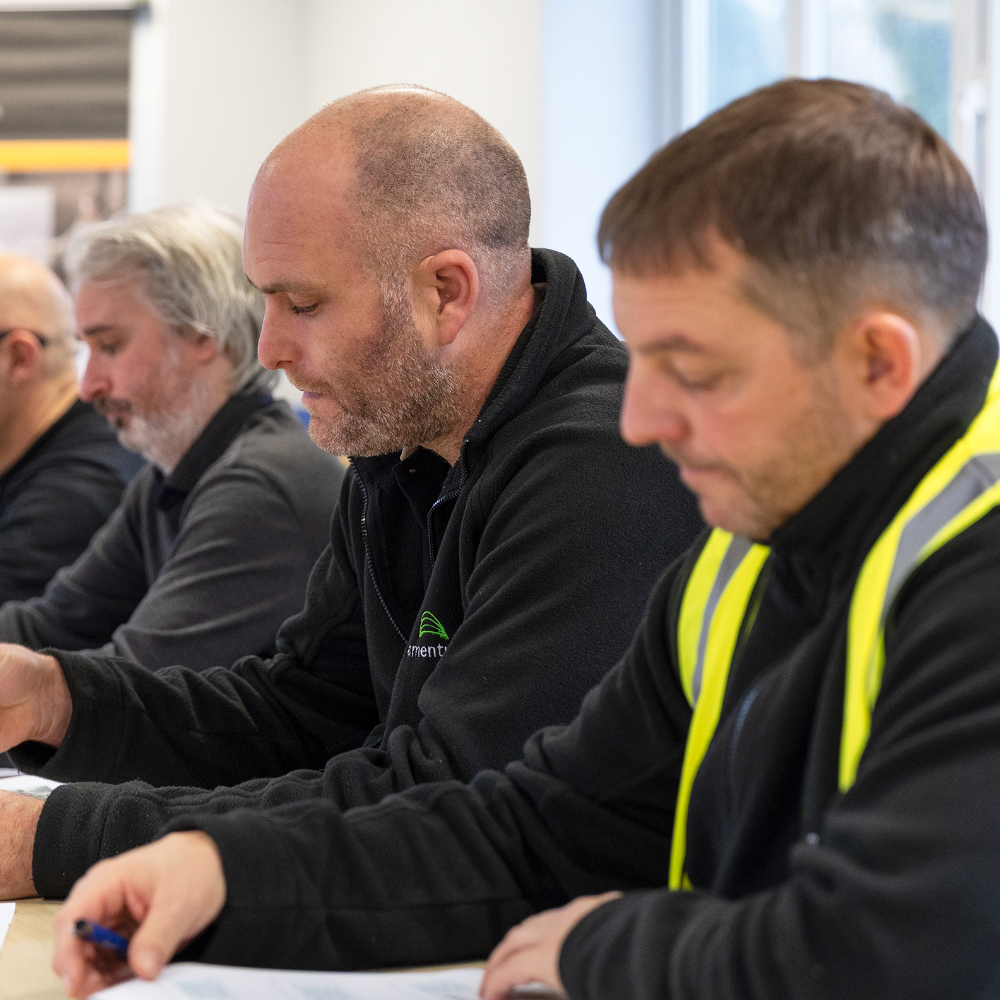
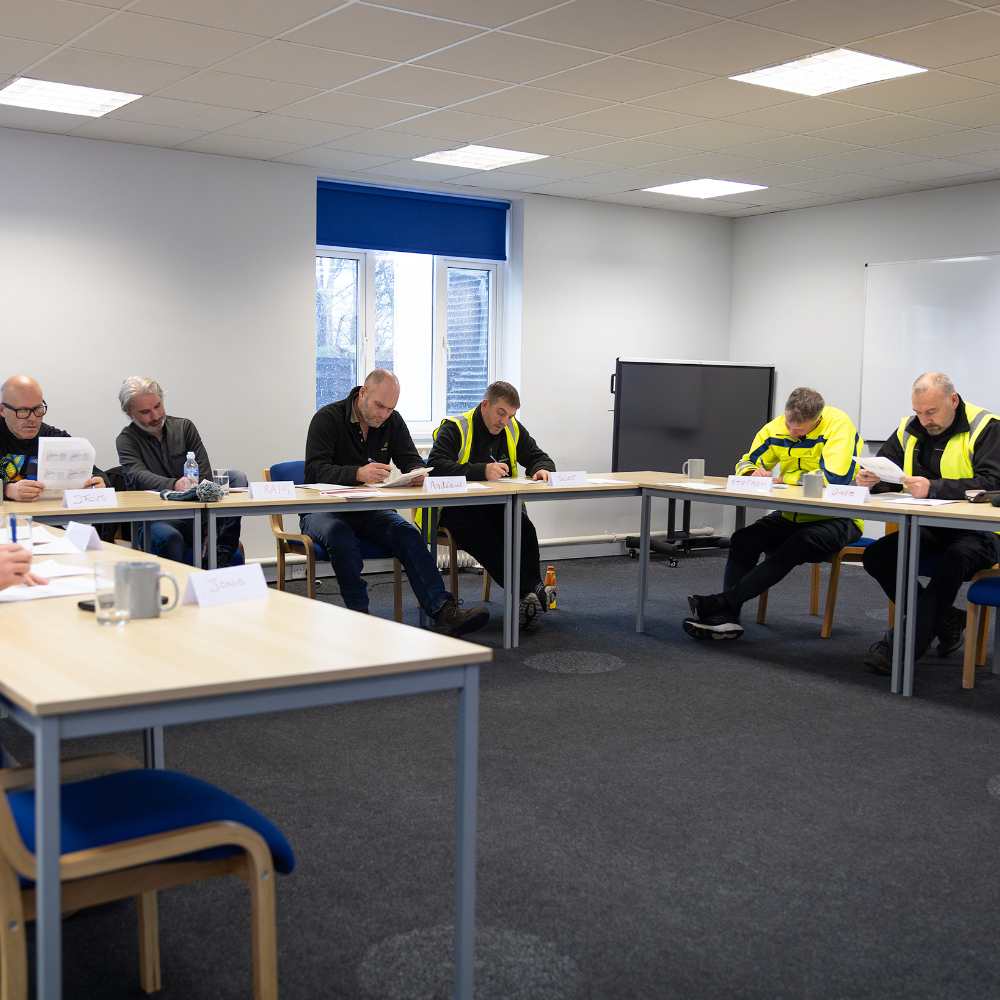
If the career case has won you over, the next question is simply where to study, and that is where we come in. As a UK health and safety consultancy delivering the IOSH Level 3 Certificate through face-to-face training, we run it both at our training centre in the North West and as in-house programmes at workplaces across England, so it stays within reach whether you are based in Cumbria or further afield.
Learning in the room with an experienced tutor suits this kind of content well, because so much of it lands through discussion and real examples drawn from the safety-critical industries we know best. If you would like the full detail on the course before you commit, our complete guide to the IOSH Level 3 training course walks through the syllabus, assessment and delivery, and you can see current options on our IOSH Level 3 Certificate course page.
Final thoughts
The benefits of IOSH Level 3 add up to a genuinely strong case for anyone thinking about a career in health and safety. It improves how employers see you, supports a broad and flexible range of roles, gets you onto a recognised professional ladder and builds the kind of leadership and communication skills that serve you for the long term.
It is also a career with real meaning behind it. Few roles let you make such a direct difference to whether people get home safely at the end of the day, and the qualification is where that journey sensibly begins.
If you have been weighing it up, the best next step is to find out how the course would work for you in practice, including timings, delivery and cost.
Ready to Take the Next Step in Your Safety Career?
If the benefits of IOSH Level 3 sound like the right fit for where you want your career to go, we would love to help you get started. Take a look at our IOSH Level 3 Certificate course page or get in touch for a friendly, no-pressure chat about your goals and the options open to you.
Sources
- Prospects (Graduate Futures Institute / Jisc), Health and safety adviser job profile, April 2026: https://www.prospects.ac.uk/job-profiles/health-and-safety-adviser
- Institution of Occupational Safety and Health (IOSH), Your membership journey: https://iosh.com/membership/levels
- Institution of Occupational Safety and Health (IOSH), IOSH Level 3 Certificate in Occupational Safety and Health Principles and Practice: https://iosh.com/qualifications-and-courses/qualifications/iosh-certificate
- Health and Safety Executive (HSE), Annual workplace health and safety statistics 2024/25, published 20 November 2025: https://press.hse.gov.uk/2025/11/20/hse-publishes-annual-workplace-health-and-safety-statistics/